
Crumbl Cookies are famous for their generous size, imaginative flavors, and soft, bakery-style texture, but there is another question that can completely change the experience should a warm vs chilled crumbl cookies which texture is better? The answer is not quite as straightforward as choosing a favorite flavor, because temperature can influence softness, chewiness, crispness, richness, and even how strongly certain ingredients come through.
For some cookie lovers, a crumbl cookie flavors this week with a tender center is the ultimate indulgence. Others prefer the firmer, denser texture that develops when a cookie is refrigerated. Both approaches have their merits, and the better choice often depends on the particular flavor and the kind of texture being sought.
Why Temperature Changes Cookie Texture
Temperature has a surprisingly substantial influence on the physical character of a cookie. When a cookie is warm, butter and other fats become softer, while moisture remains more mobile, creating a tender and sometimes almost molten interior. Once refrigerated, those fats firm up and the cookie becomes more structured. This can make the center feel denser, the edges more defined, and the overall bite considerably more substantial. That simple transition from warm to cold can therefore transform the same cookie into two noticeably different desserts.
What Makes a Warm Crumbl Cookie Special?
A warm cookie tends to deliver the quintessential fresh-from-the-oven sensation. The center is usually softer, more yielding, and sometimes slightly gooey, while the edges can retain a pleasant chewiness.
Warmth also amplifies the aroma of ingredients such as:
- Brown sugar
- Vanilla
- Chocolate
- Cinnamon
- Caramel
- Peanut butter
- Toasted nuts
Because aromatic compounds become more noticeable as food warms, a heated cookie can seem more fragrant and indulgent even when the recipe itself has not changed.
The Texture of a Chilled Cookie
Chilling creates an entirely different sensory profile. A refrigerated cookie generally becomes firmer and more cohesive, producing a more deliberate bite rather than the soft collapse associated with crumbl cookies this week warmth. For people who enjoy substantial textures, this can be particularly appealing. Frosting may also become thicker and more stable, while fillings can develop a richer, almost confectionery consistency. A chilled cookie can therefore feel less like a warm bakery treat and more like a carefully composed dessert.
Warm Cookies Soft, Gooey, and Comforting
The strongest argument for eating Crumbl cookies warm is their softness. A warm cookie can have a plush center that yields almost immediately when bitten. Chocolate-based varieties can become especially enticing because chocolate chips, chunks, or fillings may soften considerably. The contrast between a slightly firmer exterior and a tender center creates the kind of textural juxtaposition that makes each bite feel more decadent. For classic chocolate, caramel, peanut butter, or cinnamon-forward flavors, warmth can be an excellent choice.
Chilled Cookies Dense, Creamy, and Structured
Chilled cookies appeal to a completely different palate. Their texture tends to be tighter and more compact, and heavily frosted cookies can become particularly satisfying when cold. Cream cheese-style frosting, buttercream, ganache, and thick fillings often feel richer when chilled because their fats become firmer. Instead of spreading immediately across the palate, they maintain their shape and provide a slower, more substantial mouthfeel. This makes refrigeration especially attractive for cookies where frosting or filling is a major component.
How Frosting Changes the Warm-vs.-Chilled Debate
Frosting is one of the most important variables in the equation. A crumbl lineup with a substantial frosting layer may benefit from chilling because the topping becomes more stable and less prone to melting. This can create a cleaner bite and allow the frosting and cookie base to remain distinct. On the other hand, lightly frosted cookies may be more enjoyable warm, particularly when the underlying dough is designed to be soft and aromatic. The ideal temperature is therefore not necessarily determined by the cookie alone; the topping matters just as much.
What Happens to Chocolate at Different Temperatures?
Chocolate provides one of the clearest examples of how temperature affects enjoyment. When warm, chocolate chips and chunks become softer, allowing their flavor to merge with the surrounding dough. A bite can feel lush and almost fluid, particularly when the cookie has been heated carefully. When chilled, chocolate becomes firmer and provides more resistance. That creates a satisfying contrast between the cookie and chocolate pieces, particularly for those who enjoy a pronounced chocolate bite rather than a melted sensation.

Why Some Cookies Taste Better Cold
Certain flavors naturally lend themselves to refrigeration. Cookies featuring thick frosting, cheesecake-inspired components, fruit-based toppings, or rich creamy fillings can become more balanced when cold. Chilling can temper sweetness and make a heavily indulgent cookie feel slightly more composed. Instead of the flavors arriving simultaneously in a warm, aromatic rush, the colder temperature can encourage a slower progression of flavors. For especially rich cookies, that distinction can be surprisingly consequential.
Why Some Cookies Are Better Warm
Warmth is particularly compelling when the cookie itself is the star. A simple chocolate chip-style cookie, brown-sugar cookie, cinnamon cookie, or peanut-butter cookie can become more aromatic and tender when gently warmed. The experience is also more nostalgic. Warm cookies evoke the familiar sensation of fresh baking, where the aroma reaches the senses before the first bite and the center remains soft enough to feel almost freshly formed. For pure comfort, warm usually has the advantage.
Warm vs. Chilled A Texture Comparison
| Feature | Warm Cookie | Chilled Cookie |
|---|---|---|
| Center | Soft and tender | Firm and dense |
| Chocolate | Softer and melty | Firm and pronounced |
| Frosting | Softer | Thicker and more stable |
| Aroma | Stronger | More subdued |
| Bite | Plush and yielding | Dense and structured |
| Sweetness | Can feel more pronounced | Often feels more restrained |
| Overall sensation | Cozy and indulgent | Rich and refreshing |
Neither texture is objectively superior. They simply emphasize different characteristics of the same cookie.
The Best Temperature Depends on the Flavor
There is no universal temperature that works perfectly for every Crumbl cookie. A heavily frosted cookie may be spectacular straight from the refrigerator, while a classic chocolate cookie may shine when warmed. A cookie containing caramel might offer an especially enjoyable middle ground, with enough warmth to soften the filling without turning the entire cookie excessively loose. This is why experimenting with temperature can be more rewarding than following a rigid rule.
The Case for Room Temperature
Room temperature deserves more attention because it occupies the middle ground between the two extremes. At room temperature, a crumbl cookies menu can retain considerable softness without becoming overly gooey, while frosting remains relatively stable. Aromas are also more apparent than they would be when the cookie is thoroughly chilled. For anyone uncertain about whether a particular flavor should be served warm or cold, room temperature is often the safest starting point.
How to Warm a Cookie Without Ruining It
Gentle warming is preferable to excessive heating. The objective is to soften the cookie and awaken its aromas rather than cook it again. A short period of controlled heating can be enough to transform a firm cookie into a softer, more fragrant treat. Excessive heat, however, can make frosting melt, dry out the edges, or cause the center to become unpleasantly greasy. The distinction between pleasantly warm and overheated is therefore important.
How Chilling Affects the Eating Experience
A chilled cookie encourages slower eating because the texture is more resistant and deliberate. Each bite requires slightly more pressure, and thick frosting or fillings may remain compact rather than immediately melting. This can be especially enjoyable for oversized cookies because the dense texture prevents the dessert from feeling overwhelmingly soft. In a curious way, refrigeration can make a large cookie feel more refined.
Which Texture Is Better for Different Preferences?
The answer ultimately depends on what the eater values most.
Choose warm if you prefer:
- Soft centers
- Gooey chocolate
- Strong bakery aromas
- Tender dough
- A comforting, fresh-baked sensation
Choose chilled if you prefer:
- Dense textures
- Firm chocolate
- Thick frosting
- Creamy fillings
- A slower, more structured bite
And if both sound appealing, there is no reason to choose only one.
The Half-Warm, Half-Chilled Strategy
One of the most enjoyable approaches is to divide a cookie and experience it at different temperatures. One portion can be warmed while another remains refrigerated. This creates a direct comparison using the same cookie, eliminating differences caused by flavor, recipe, or toppings. The contrast can be surprisingly dramatic: the warm portion may feel soft and aromatic, while the chilled portion seems denser and more confection-like. For anyone trying to determine a personal preference, this is arguably the most revealing experiment.
Warm or Chilled?
There is no single winner in the warm-versus-chilled Crumbl cookie debate. Warm cookies win for softness, aroma, gooey centers, and classic bakery comfort. Chilled cookies win for density, frosting stability, pronounced chocolate texture, and a richer, more structured bite. For simple, dough-forward flavors, warming is often the more gratifying option. For heavily frosted or cream-filled varieties, chilling can produce a more balanced and sophisticated texture. Ultimately, the best temperature is the one that makes the cookie’s defining characteristics work together rather than compete. Sometimes that means warm, sometimes cold, and sometimes the most delicious answer lies somewhere in between.

Meet the Author
Kashif Ali
Content Researcher & Editor
Kashif Ali is the founder and editor of Crumbl Cookie Menus. He specializes in researching Crumbl weekly flavors, cookie reviews, nutrition information, and dessert trends. Through detailed research and regular content updates, she helps readers stay informed about the latest menu changes and bakery-related topics.
📧 contact@crumblcookiemenus.com

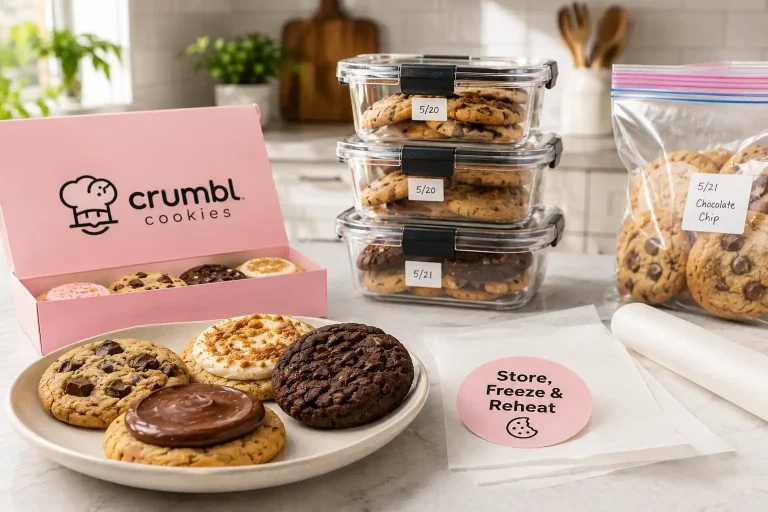
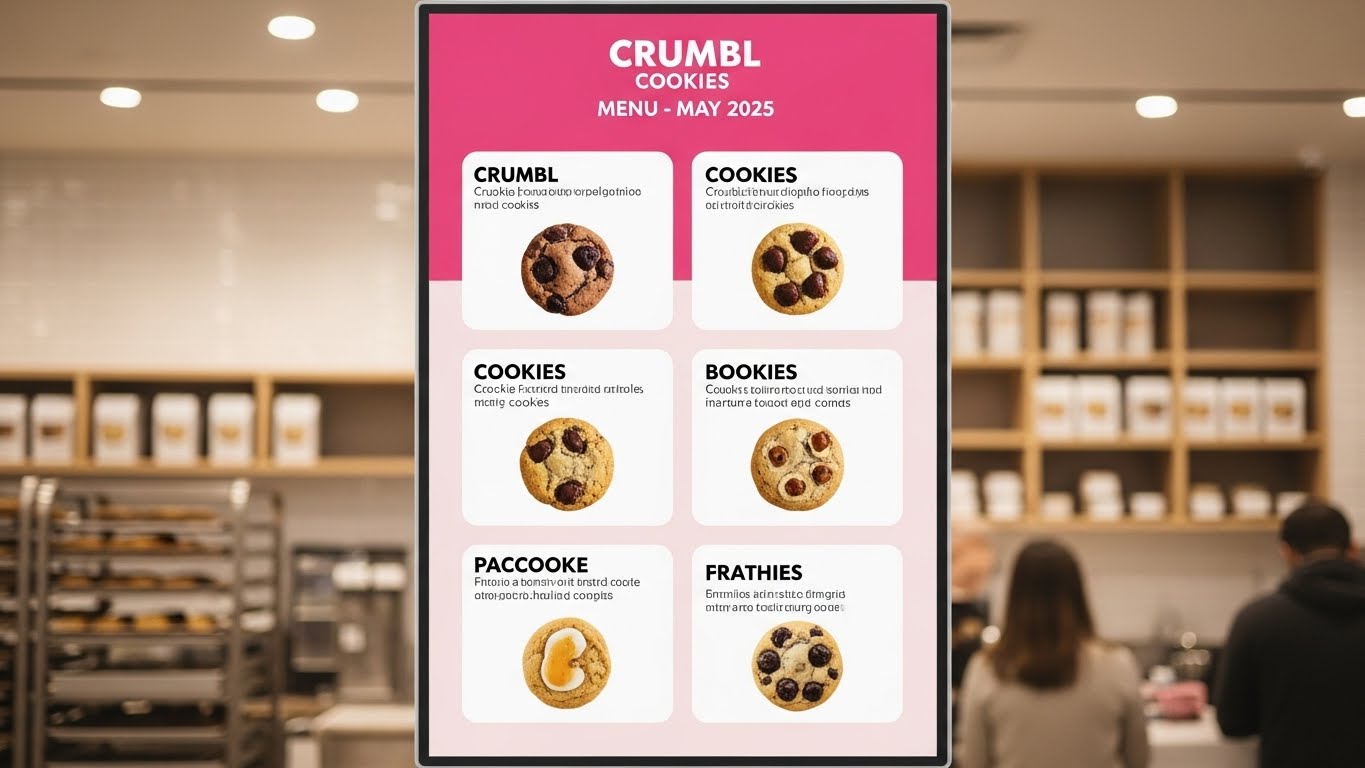
Warm vs Chilled Crumbl Cookies Which Texture Is Better?